}})


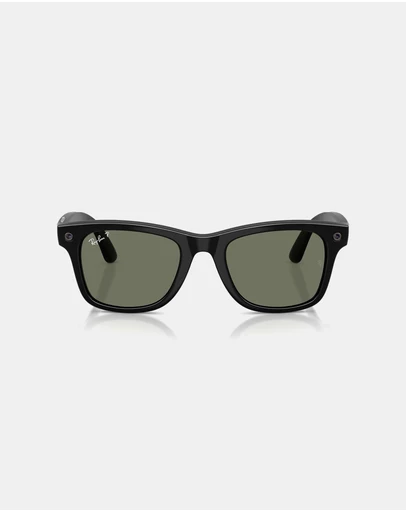


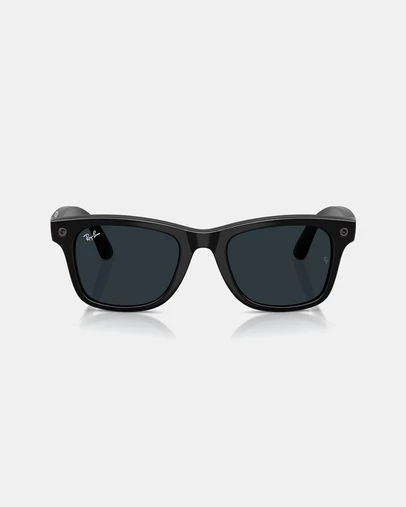


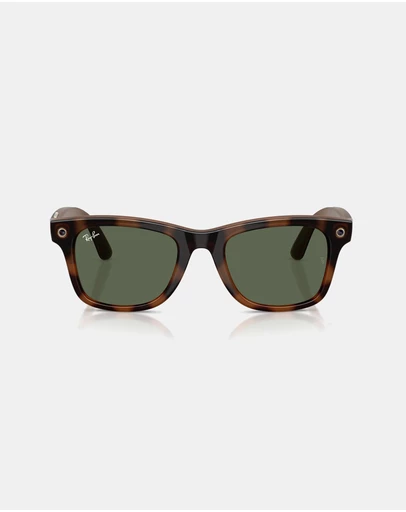


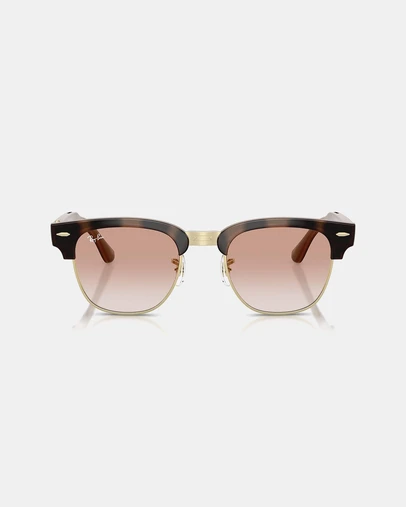




The Ray-Ban Edit at THE ICONIC
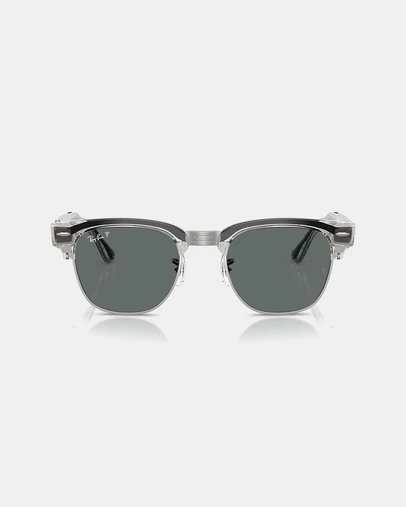
Ray-Ban has been making the same few shapes since the 1930s, and that is the point. The Aviator was built for pilots, the Wayfarer arrived in 1952 with a moulded acetate frame that broke from wire entirely, and the Clubmaster borrowed its browline from 1950s eyewear. Each has outlasted every trend that briefly replaced it.
Frame shape does most of the work. The Wayfarer suits softer, rounder faces because the angular front adds definition. The Clubmaster draws the eye upward with its heavy brow, which balances a longer face. Aviators sit somewhere in the middle and are the safest choice if you are buying without trying.
Lenses matter as much as frames. Chromance lenses are polarised and colour-enhancing, built for glare off water and road. Standard G-15 and B-15 tints handle everyday sun. If you need prescription lenses, the optical range carries the same frames in clear.
Ray-Ban FAQs
How do I know if Ray-Bans are the right size for my face?
Ray-Ban prints three numbers on the inside of the left arm: lens width, bridge width and arm length, all in millimetres. Lens width is the one that matters most. Most adult frames run 50mm to 58mm, and the frame should finish at or just past the edge of your face rather than sitting inside it. If a style comes in more than one size, the smaller number suits narrower faces.
What is the difference between polarised and standard lenses?
Polarised lenses contain a filter that blocks horizontal light, which is what glare off water, snow and wet roads is made of. They cut reflection sharply and reduce squinting. Standard tinted lenses reduce overall brightness without filtering glare specifically. Both offer full UV protection. Polarised is worth it for driving, boating and beach days, though it can make some phone and dashboard screens harder to read.
Are Ray-Ban sunglasses suitable for kids?
Yes. The junior range carries scaled-down versions of the same frames with smaller lens widths and shorter arms, plus more flexible hinges. Children's eyes let through more UV than adults', so proper protection matters more, not less. Frames are also available in the optical range for prescription lenses.
How do I clean and store my sunglasses?
Rinse under cool running water first to lift grit, then dry with a microfibre cloth. Wiping dry lenses drags dust across the coating and causes fine scratches. Skip paper towel and shirt hems for the same reason. Store them in a hard case rather than face down, and never leave them on a car dashboard, as heat warps acetate frames. A hard case is included with most pairs.